What does “Foundational Black American” mean?
Foundational Black Americans are the descendants of people enslaved in the United States: the Black Americans whose family lines run through American chattel slavery, the plantation and probate records, and every federal census since 1790.
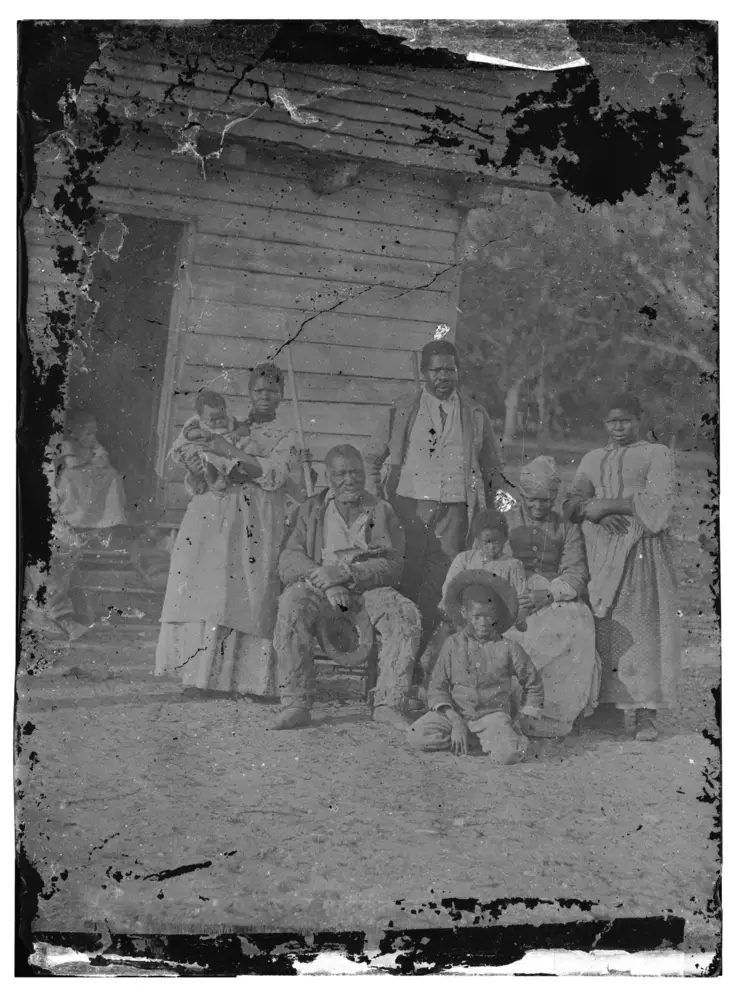
A lineage, not a color
“Foundational” points to a specific history. It names the people whose labor, land, and lives were part of building the country from its founding, and whose lineage is documented (often badly, sometimes deliberately mislabeled) in American records. It separates that lineage from the broader category of Black people in the United States, which also includes more recent immigrants from Africa, the Caribbean, and Latin America, each with their own histories.
The distinction matters for genealogy, for history, and for how a people tells its own story.
The names on the record
Over three centuries, the American record has called the same people by different names. Each change was made on paper: by census takers, county clerks, courts, and lawmakers.
- Indian: used in colonial and early records for many people of color, including families whose descendants were later recorded as Mulatto, Colored, or Negro.
- Mulatto: a census and legal category, counted federally from 1850 until it was dropped in the 20th century.
- Colored and Free colored persons: census and legal terms through the 19th century.
- Negro: the dominant official term well into the 20th century.
- Black and African American: the late-20th-century terms that most records use today.
What the census called us, 1790–2020
Pick a census year, or press play.
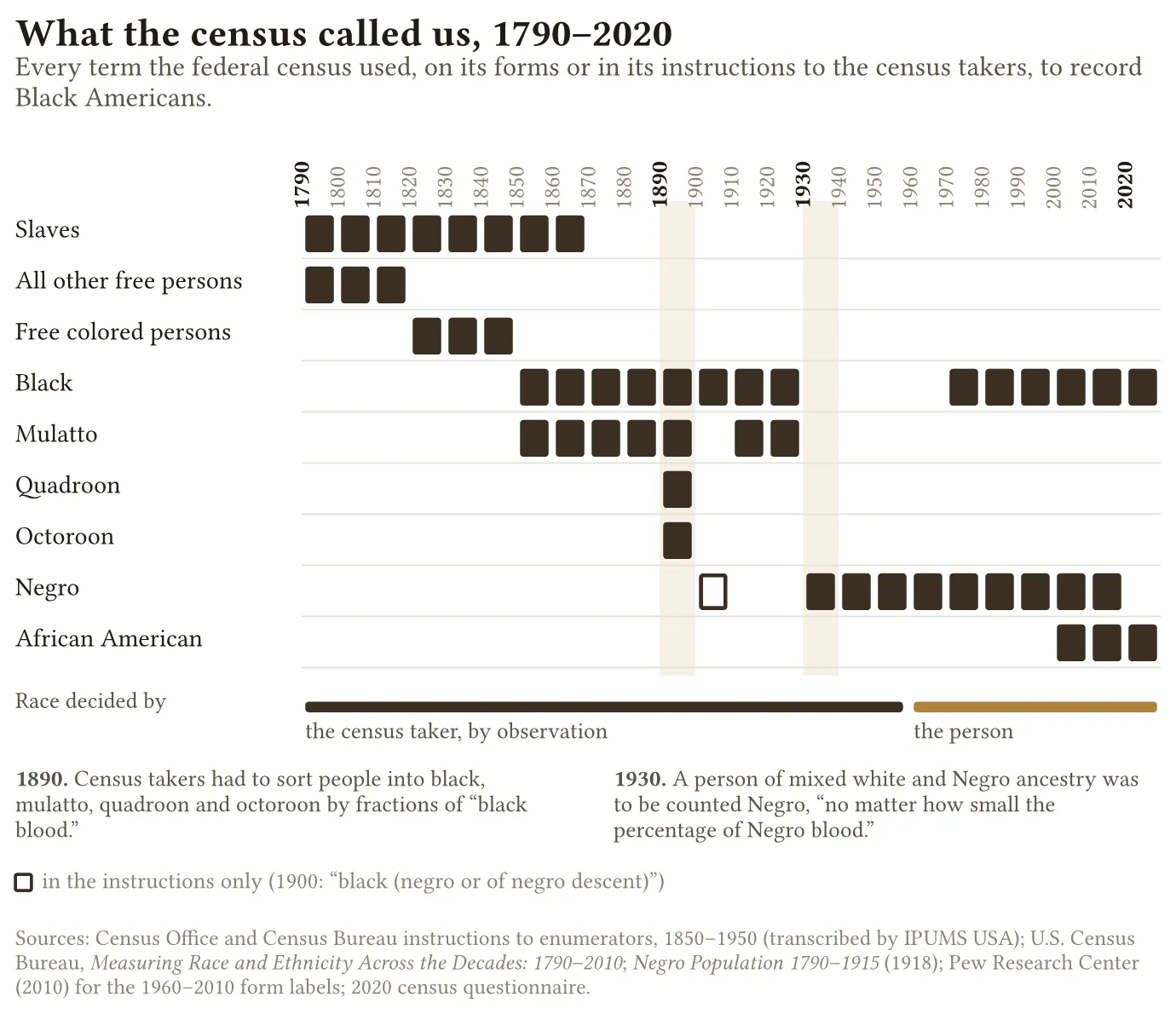
Sources: Census Office and Census Bureau instructions to enumerators, 1850–1950 (transcribed by IPUMS USA); U.S. Census Bureau, Measuring Race and Ethnicity Across the Decades: 1790–2010; Negro Population 1790–1915 (1918); Pew Research Center (2010); 2020 census questionnaire.
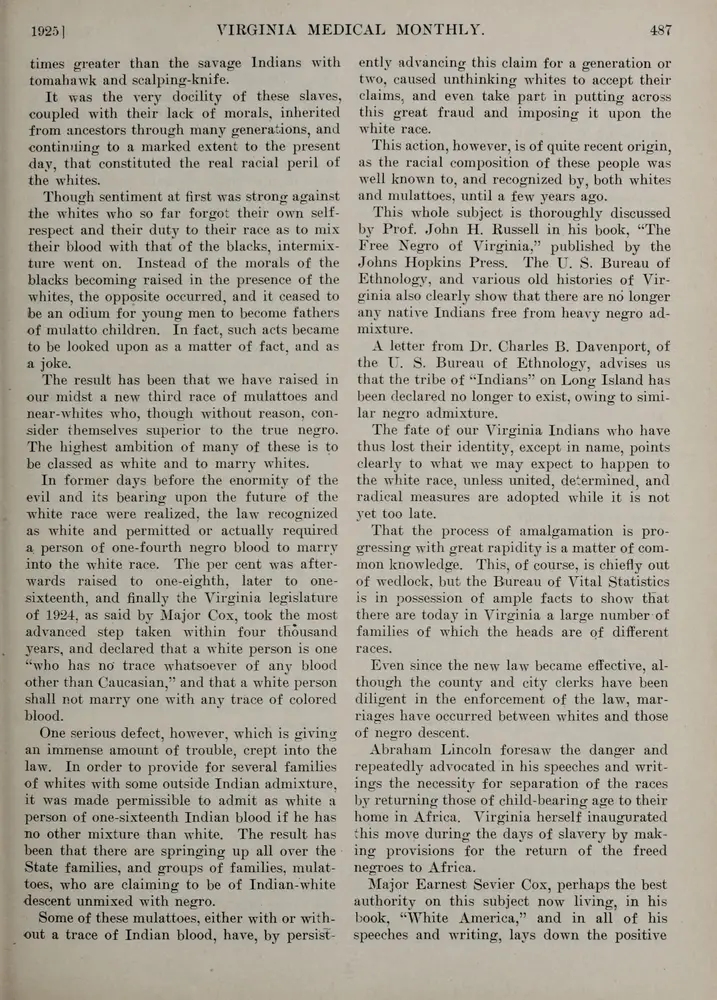
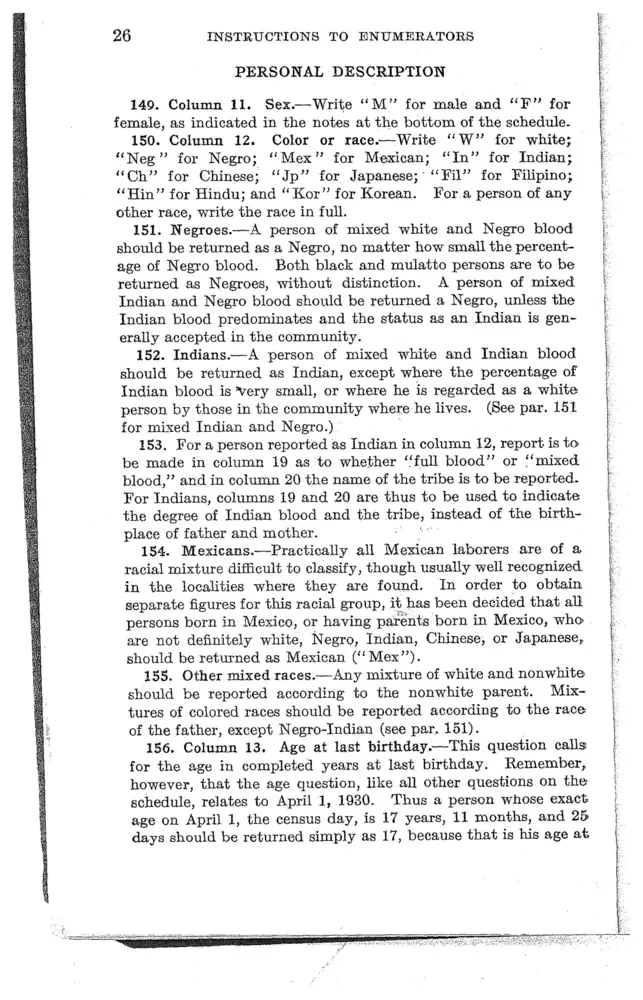
Laws like Virginia’s Racial Integrity Act of 1924, enforced by the state registrar Walter Plecker, allowed only two categories, “white” and “colored,” and pressed clerks to reclassify people on birth, marriage, and death records to fit them. The term “paper genocide” describes the result: a people erased from the record by relabeling, not by death.
Why it matters if you are tracing your family
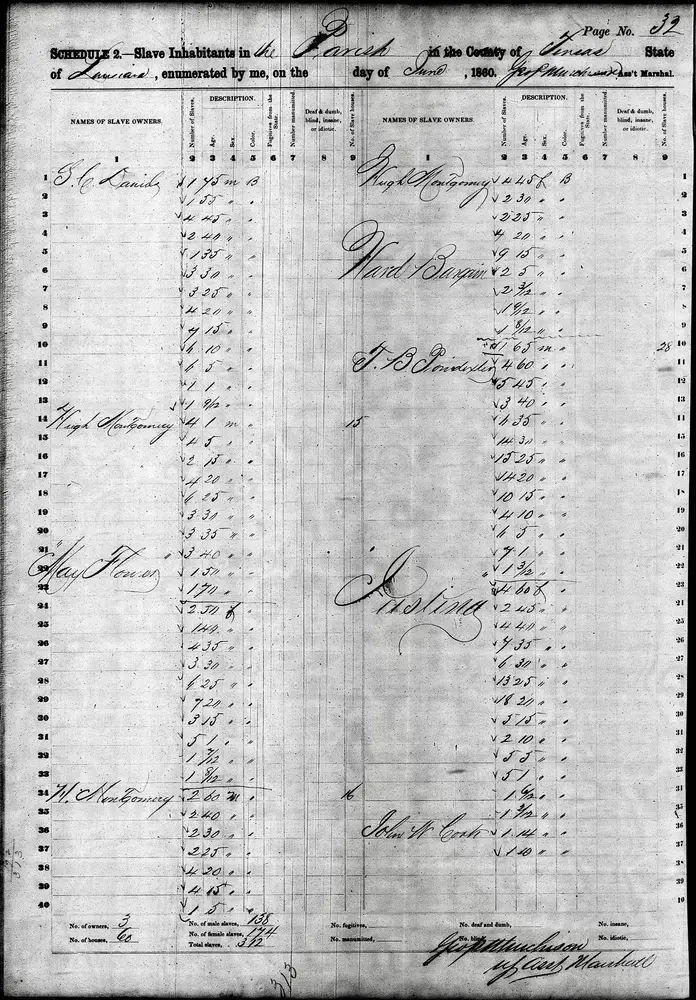
If you are searching for your ancestors, the shifting labels are not noise; they are clues. An ancestor recorded as “Indian” in one census and “Mulatto” or “Black” in the next may be the same person, in the same house, counted by a different enumerator under different rules. The 1850 and 1860 slave schedules list enslaved people without names, by age, sex, and color, under the enslaver’s name, so finding them usually means working backward from 1870, the first census to name nearly everyone.
A consumer DNA test can point to regions and relatives, but it can’t tell you the names, places, and records that make up a lineage. Documented genealogy can.